
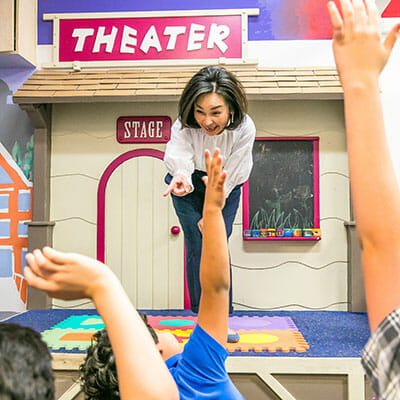
I spend my days coaching everyone from kindergarteners to federal executives on how to walk into a room with confidence. And lately, I’ve been noticing something big: communication skills are suddenly taking center stage again. Ironically, it’s because of artificial intelligence.
Quick side note: I’ve named my ChatGPT “Sam.” He is very enthusiastic about giving advice — even hair advice, which I wouldn’t necessarily recommend following unless you enjoy chaos.
AI has changed so much about the way we communicate. College essays? Gorgeous. Resumes? Polished perfection. Emails? Pulitzer-worthy. Text messages? Somehow more charming. Kids, teens, and adults now have a tool that can help them write like seasoned professionals — instantly. But here’s the twist: our writing can be artificially perfect. Our speaking cannot. Colleges, companies, and organizations know this. And as a result, they are looking at the one thing AI can’t fake — the real human behind the words.
Public speaking is where the real person appears. It reveals confidence, presence, leadership, curiosity, personality, and humanity. It shows whether you can articulate your ideas when eyes are on you. It shows whether you can share your enthusiasm, your creativity, your passion. Because passion that stays locked inside your head? No one can benefit from it.
Yet I see it all the time — kids and adults whispering their introductions with a nervous, “Umm… hi… so… I’m…” It is not a flaw. It is simply a gap in learning. We expect people to know how to speak up, but we rarely teach them how. We teach math for years. We correct grammar endlessly. But clear, confident communication? That’s often treated like it should come naturally. Spoiler: it doesn’t. It takes practice, encouragement, a space to be brave, a bit of laughter, and sometimes a second try. (Or a tenth. Truly — I’ve seen breakthroughs on try #10.)
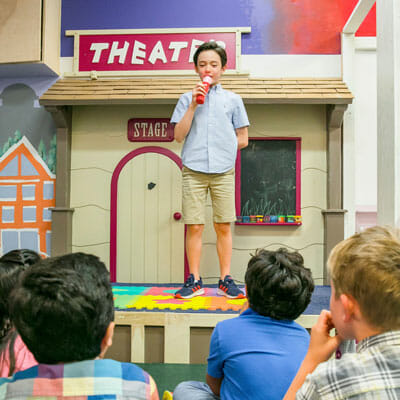
Children today are more “connected” than any generation before them, constantly communicating through screens. But when they are asked to communicate face-to-face, fear often appears. Their world simply doesn’t require enough of their real voices — but the future will. Interviews, presentations, team projects, leadership roles, advocating for themselves, navigating the world — all require the ability to speak clearly and be heard.
Speaking well is not about being the loudest person in the room. It’s about sharing who you are, expressing ideas clearly, connecting with others, handling pressure with confidence, and being brave enough to take up space. These skills help a student raise their hand, help a teen ace their interview, and help an adult seize an opportunity. Communication is not a performance skill — it is a life skill.
Technology will continue to advance faster than we can imagine. But the ability to look someone in the eyes and express your ideas will always be powerful. Always personal. Always human. AI may elevate our writing — but we must elevate our voices.
I’ve seen what happens when people gain that confidence. Kids bloom. Adults find new paths. Leaders emerge. Ideas finally get heard. And it is one of the most inspiring transformations to watch.
About the Author
Sumedha Bahri is a Federal Oral Presentation and communication coach who helps people of all ages — from kindergarteners to business and federal executives — speak with confidence. She’s the founder of Highest Speak, a patent attorney, a biomedical engineer, a mom of a 2nd and 8th grader, and a former stand-up comic who believes every person deserves to be heard. She also occasionally receives questionable hair advice from her chatbot, Sam.

0 Comments